


Clients Don’t Always Define Value the Same Way

Getting Geospatial with Charlotte

During COVID, I was working from home, and like many people during that time, I started noticing things about my cat, Quiksilver (yes, spelled with no “c” like the surf brand, not the X-Men character), that I probably would have missed otherwise. He was throwing up, lethargic, and just acting funny, more than my pre-COVID self probably would have brushed off as, “eh, probably just a hairball and he’s chilling for the evening.” But something kept bothering me, so I took him to a nearby veterinary clinic since my regular veterinarian couldn’t get me in right away. 

They were able to see him relatively quickly, which I appreciated. They did a basic checkup, but I remember being surprised that additional diagnostics, including bloodwork, were not recommended. Can you say, “leaving money on the table?” But honestly, it wasn’t even about the money, I was there willing to pay for diagnostics. Being in the veterinary industry for some time, I knew the type of information I personally valued when it came to my cat’s health. I wanted answers, or at least more information to rule things out. I left not fully satisfied and ultimately followed up with my regular veterinarian. 

At that follow-up appointment, they did a full diagnostic workup, including bloodwork, fecal testing, imaging, and more, without me even having to ask. They discovered there was something going on in the intestine. Fast forward a week later, after seeing a specialist, Quiksilver was diagnosed with cancer. Thankfully, because we pursued diagnostics early, I was equipped with information and able to make decisions. I ended up spending two more years with him. Can you imagine if I hadn’t gone for the follow-up? I might have only had a few months. 

From a practice perspective though, I never went back to that clinic. They weren’t my regular veterinarian, but that visit could have easily turned into a long-term client relationship, and maybe even future referrals. 

I tell this story because clients are not always looking for the same thing from a veterinary visit. In my case, I wanted more information, diagnostics, and reassurance. Another client may have prioritized convenience, speed, or a more conservative approach. But whether a client feels their expectations were met can influence far more than a single visit. It can shape trust, loyalty, referrals, and whether they return at all. 

Sometimes these differences even show up geographically. A practice may notice clusters of clients consistently traveling in from a particular suburb, clients driving along a major highway corridor despite having clinics closer to home, or stronger loyalty in certain neighborhoods compared to others. Geography can sometimes reveal patterns tied to convenience, communication, trust, service offerings, or simply how clients perceive the care they receive.  

One client may value same-day access and convenience. Another may value communication and feeling fully informed throughout the visit. Some may prioritize low-stress handling or continuity with the same veterinarian. Others may simply value transparency and knowing what to expect financially. Personally, Quiksilver was kind of a super cat and never really minded his carrier or veterinary visits. If anything, he wanted to sniff the other dogs and seek out the other cats, so a fear-free environment was not necessarily the top thing I was looking for. Understanding what clients value can help practices better reinforce it. 

At the same time, clients may not always fully understand the value of a recommendation until it is clearly communicated. Preventive care, diagnostics, vaccines, or follow-up testing may feel routine to the veterinary team, but not necessarily to the client. Part of communicating value is helping connect the recommendation to the outcome, reassurance, or long-term benefit it provides. 

This also connects to broader conversations around how veterinary teams communicate care recommendations and value to clients, including resources like the AVMA’s Language of Veterinary Care initiative. 

Another part of my experience surprised me too. At the specialist, it was my first time working with a larger veterinary team. During COVID, I never actually saw the veterinarian in person. Instead, the veterinarian would examine Quiksilver and then call me to discuss findings, treatment options, and next steps. There was also a lead credentialed veterinary technician who became my primary curbside touchpoint and relayed updates throughout the visit. Assistants helped as well, and honestly, I eventually became very comfortable communicating with the technician directly. 

I used to be one of those clients who only wanted to speak with the veterinarian and did not really want technicians handling my pets. That has since changed. The veterinarian clearly communicated the technician’s role, and the technician did an excellent job leading communication and follow-up. Over time, I realized part of the value I experienced was not just the medical care itself, but also the communication, coordination, and trust built across the team. 

Okay okay, I know. At this point I probably sound like some super unicorn client with very specific expectations. But seriously, how do practices actually figure out what their clients value? 

Sometimes the answer is simpler than we think. It can start with routine client feedback, conversations at checkout, online reviews, surveys, or simply paying attention to recurring questions and concerns. Practices may also already have useful insight within their PIMS data, including visit frequency, spending patterns, preventive care uptake, or service utilization trends. Other times, practices may uncover patterns more geographically by mapping where clients are coming from, noticing which neighborhoods show stronger loyalty, identifying commuting corridors, or observing where clients consistently travel farther for care despite having closer options available. I recently wrote more about this concept in a separate piece focused specifically on mapping clients and geographic behavior patterns within veterinary practices. 

In my particular case, I later talked pretty openly with my regular veterinarian about why the previous experience had left me feeling unsettled and what I had valued in the follow-up visit. That kind of feedback should not be ignored. Clients are often telling practices exactly what mattered to them, even if it comes up casually during conversation afterward. 

To be fair, the other clinic would not necessarily have known upfront how strongly I valued diagnostics and detailed information, although from my perspective, additional testing felt like a fairly standard expectation given the situation. There were likely opportunities to better uncover those expectations through conversation. Even something as simple as, “Here are a few options we could consider. How do you feel about them?” may have led to a very different experience and outcome from a client perspective. 

Sometimes what clients value shows up not only in what they say, but in the choices they make. The clinic they drive farther to see, the services they pursue, the questions they ask, and whether they come back at all can all tell a story. Understanding those patterns may help practices better communicate value, strengthen loyalty, and better meet the needs of the clients they serve. 
Quiksilver, who apparently enjoyed veterinary visits more than most cats.During COVID, I was working from home, and like many people during that time, I started noticing things about my cat, Quiksilver (yes, spelled with no “c” like the surf brand, not the X-Men character), that I probably would have missed otherwise. He was puking, lethargic, and just acting funny, more than my pre-COVID self probably would have brushed off as, “eh, probably just a hairball and he’s chilling for the evening.” But something kept bothering me, so I took him to a nearby veterinary clinic since my regular veterinarian couldn’t get me in right away. They were able to see him relatively quickly, which I appreciated. They did a basic checkup, but I remember being surprised that additional diagnostics, including bloodwork, were not recommended. Can you say, “leaving money on the table?” But honestly, it wasn’t even about the money, I was there willing to pay for diagnostics. Being in the veterinary industry for some time, I knew the type of information I personally valued when it came to my cat’s health. I wanted answers, or at least more information to rule things out. I left not fully satisfied and ultimately followed up with my regular veterinarian. At that follow-up appointment, they did a full diagnostic workup, including bloodwork, fecal testing, imaging, and more, without me even having to ask. They discovered there was something going on in the intestine. Fast forward a week later, after seeing a specialist, Quiksilver was diagnosed with cancer. Thankfully, because we pursued diagnostics early, I was equipped with information and able to make decisions. I ended up spending two more years with him. Can you imagine if I hadn’t gone for the follow-up? I might have only had a few months. From a practice perspective though, I never went back to that clinic. They weren’t my regular veterinarian, but that visit could have easily turned into a long-term client relationship, and maybe even future referrals. I tell this story because clients are not always looking for the same thing from a veterinary visit. In my case, I wanted more information, diagnostics, and reassurance. Another client may have prioritized convenience, speed, or a more conservative approach. But whether a client feels their expectations were met can influence far more than a single visit. It can shape trust, loyalty, referrals, and whether they return at all. Sometimes these differences even show up geographically. A practice may notice clusters of clients consistently traveling in from a particular suburb, clients driving along a major highway corridor despite having clinics closer to home, or stronger loyalty in certain neighborhoods compared to others. Geography can sometimes reveal patterns tied to convenience, communication, trust, service offerings, or simply how clients perceive the care they receive. One client may value same-day access and convenience. Another may value communication and feeling fully informed throughout the visit. Some may prioritize low-stress handling or continuity with the same veterinarian. Others may simply value transparency and knowing what to expect financially. Personally, Quiksilver was kind of a super cat and never really minded his carrier or veterinary visits. If anything, he wanted to sniff the other dogs and seek out the other cats, so a fear-free environment was not necessarily the top thing I was looking for. Understanding what clients value can help practices better reinforce it. At the same time, clients may not always fully understand the value of a recommendation until it is clearly communicated. Preventive care, diagnostics, vaccines, or follow-up testing may feel routine to the veterinary team, but not necessarily to the client. Part of communicating value is helping connect the recommendation to the outcome, reassurance, or long-term benefit it provides. This also connects to broader conversations around how veterinary teams communicate care recommendations and value to clients, including resources like the AVMA’s Language of Veterinary Care initiative. Another part of my experience surprised me too. At the specialist, it was my first time working with a larger veterinary team. During COVID, I never actually saw the veterinarian in person. Instead, the veterinarian would examine Quiksilver and then call me to discuss findings, treatment options, and next steps. There was also a lead credentialed veterinary technician who became my primary curbside touchpoint and relayed updates throughout the visit. Assistants helped as well, and honestly, I eventually became very comfortable communicating with the technician directly. I used to be one of those clients who only wanted to speak with the veterinarian and did not really want technicians handling my pets. That has since changed. The veterinarian clearly communicated the technician’s role, and the technician did an excellent job leading communication and follow-up. Over time, I realized part of the value I experienced was not just the medical care itself, but also the communication, coordination, and trust built across the team. Okay okay, I know. At this point I probably sound like some super unicorn client with very specific expectations. But seriously, how do practices actually figure out what their clients value? Sometimes the answer is simpler than we think. It can start with routine client feedback, conversations at checkout, online reviews, surveys, or simply paying attention to recurring questions and concerns. Practices may also already have useful insight within their PIMS data, including visit frequency, spending patterns, preventive care uptake, or service utilization trends. Other times, practices may uncover patterns more geographically by mapping where clients are coming from, noticing which neighborhoods show stronger loyalty, identifying commuting corridors, or observing where clients consistently travel farther for care despite having closer options available. I recently wrote more about this concept in a separate piece focused specifically on mapping clients and geographic behavior patterns within veterinary practices. In my particular case, I later talked pretty openly with my regular veterinarian about why the previous experience had left me feeling unsettled and what I had valued in the follow-up visit. That kind of feedback should not be ignored. Clients are often telling practices exactly what mattered to them, even if it comes up casually during conversation afterward. To be fair, the other clinic would not necessarily have known upfront how strongly I valued diagnostics and detailed information, although from my perspective, additional testing felt like a fairly standard expectation given the situation. There were likely opportunities to better uncover those expectations through conversation. Even something as simple as, “Here are a few options we could consider. How do you feel about them?” may have led to a very different experience and outcome from a client perspective. Sometimes what clients value shows up not only in what they say, but in the choices they make. The clinic they drive farther to see, the services they pursue, the questions they ask, and whether they come back at all can all tell a story. Understanding those patterns may help practices better communicate value, strengthen loyalty, and better meet the needs of the clients they serve. Quiksilver, who apparently enjoyed veterinary visits more than most cats.
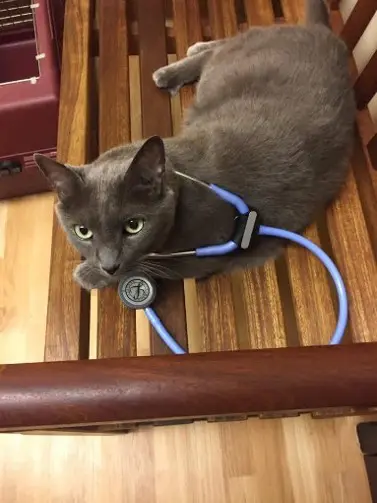
Quiksilver, who apparently enjoyed veterinary visits more than most cats.

Written by Charlotte McKay

Resources & Support

The individual knowledge and experience of our members benefit the entire group.

Visit the Knowledge Center

Build Your Best Practice. Focus on What Matters.

How do you maintain your independence? By joining together. We would be thrilled to have you explore membership with VMG.

Inquire about becoming a member