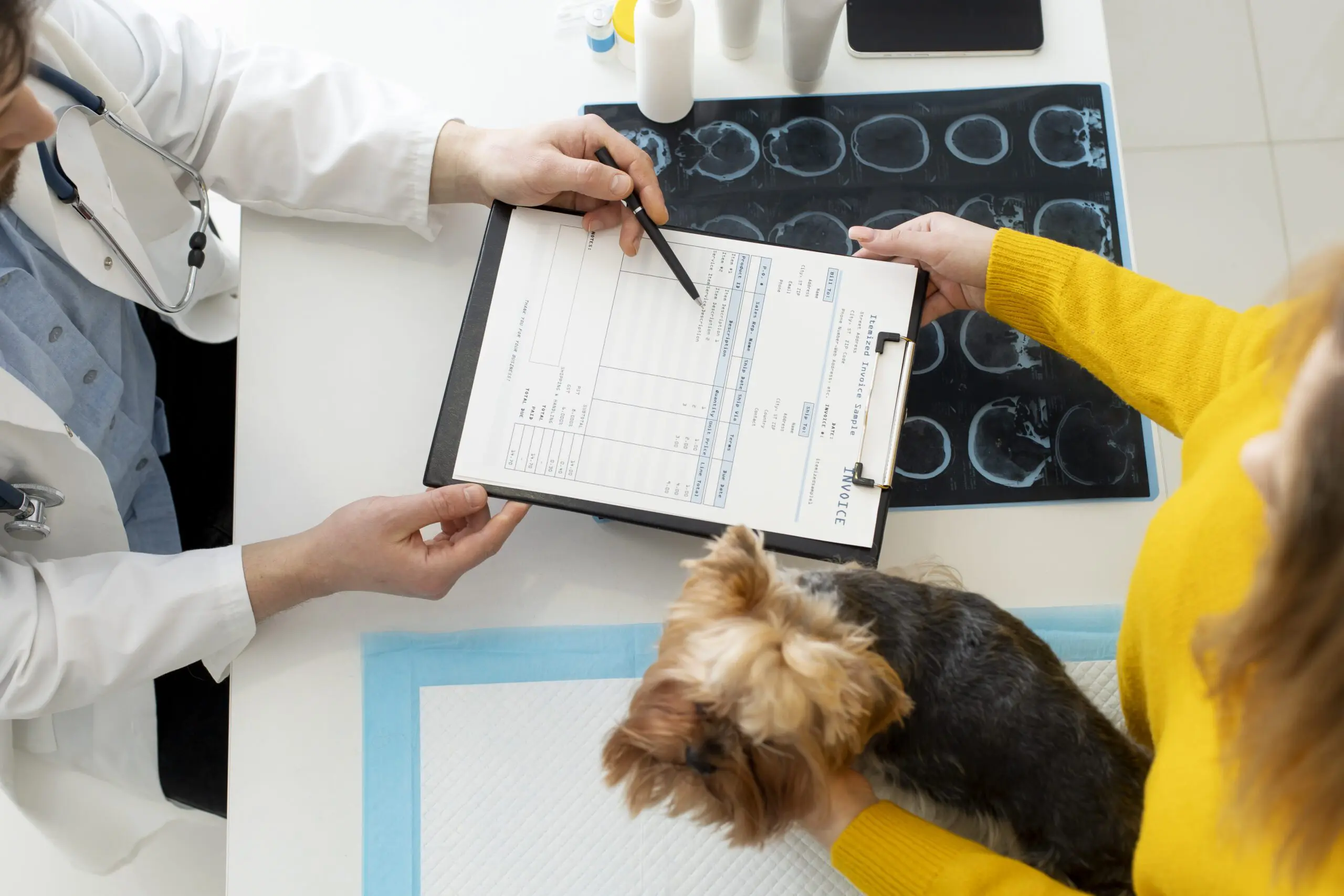


There’s no getting around it. As the cost of goods and services across the economy rises, so too does pet owner anxiety about the cost of care. One industry study found that among pet parents who have declined care, seven in 10 cite not being able to afford it, or that the recommended care was not worth the cost. Another study revealed that nearly half (48%) of pet parents are concerned about the rising cost of pet care over their pet’s lifetime.
But understanding pet owner purchasing behaviors requires going beyond just veterinary services. Indeed, a deeper dive into the myriad of financial considerations consumers make each day is needed.
To do that, the Consumer Price Index (CPI), published by the U.S. Bureau of Labor Statistics (BLS), is a key economic indicator that measures the average change over time in the prices paid by urban consumers for a basket of goods and services. This basket includes items like food, clothing, transportation, medical care, and housing.
CPI is widely used to track inflation (it reflects how the cost of living is changing), adjust income and benefits (Social Security payments, tax brackets, and wages are often indexed to the CPI), and inform economic policy (the Federal Reserve uses CPI data to help guide interest rate decisions).
For small businesses like veterinary practices, CPI matters because it directly or indirectly impacts:
Costs of Goods and Services. If CPI shows a rise in prices, your suppliers may raise their prices too.
Wages and Labor Costs. High CPI may lead to employee demands for higher wages to keep up with the cost of living.
Customer Spending Behavior. Rising CPI may reduce consumers’ disposable income.
Another economic indicator, the Personal Consumption Expenditures (PCE), tracks how much households are spending on goods and services and how prices are changing overtime. It’s a key gauge of consumer behavior and inflation in the U.S. economy. For veterinary practices, trends in PCE are relevant because pet care — including preventive care, elective procedures, and specialty treatments — is largely discretionary spending. We regularly track two versions of the PCE on the VMG Economic Dashboard:
- PCE Total Expenditures (adjusted for inflation): Shows overall consumer spending in dollar terms.
- PCE Year-over-Year (% change): Indicates whether spending is accelerating or slowing compared to the previous year.
While these measures don’t isolate inflation, they do reflect its effects. A rising PCE, especially in durable goods and services, may suggest that pet owners have more disposable income to spend on their pets, or that they’re paying more due to inflation. Conversely, a declining PCE may signal tighter consumer budgets, which could affect demand for higher-cost veterinary services.
In addition, the Federal Reserve uses a specific part of the PCE — the PCE Price Index (PCEPI) — as its primary measure of inflation. The PCEPI alongside PCE growth can offer deeper insight into how rising prices may be impacting both client spending and practice costs, such as supplies, equipment, and medications.
Understanding these trends enables practices to anticipate shifts in client behavior, refine pricing strategies, and manage overhead during periods of economic change.
How to Use these Key Economic Indicators
Step 1: Adjust Costs and Pricing Strategically
- CPI: Rising CPI indicates higher costs for goods, services, and wages. Practices can anticipate supplier price increases and labor cost pressures, allowing them to adjust pricing, negotiate supplier contracts, or explore alternatives to preserve profit margins.
- PCE: While PCE includes price effects, consistent growth in PCE, especially after adjusting for inflation, can indicate that consumers have both the capacity and confidence to spend more. This creates opportunities for practices to offer higher-value or discretionary services.
Step 2: Predict and Respond to Client Spending Behavior
- CPI: Higher CPI can signal reduced disposable income for clients, potentially leading to declined or postponed care. Practices can plan payment options, wellness plans, or cost-sensitive service offerings.
- PCE: Tracking PCE helps predict client confidence and discretionary spending. When PCE is rising, especially after adjusting for inflation, it’s a positive sign that clients may feel comfortable approving elective procedures or specialty treatments.
Step 3: Plan Business Operations and Resource Allocation
- CPI: By monitoring CPI trends, practices can anticipate changes in labor demands and overhead costs, allowing for proactive budgeting, staffing, and inventory planning.
- PCE: Observing PCE trends allows practices to anticipate shifts in demand. If consumer spending growth slows, focus marketing on core services and emphasize preventive care. If spending is strong, consider expanding offerings or investing in new equipment.
By keeping an eye on these economic indicators, veterinary practices can make smarter decisions around pricing, service offerings, and resource management, while also anticipating changes in pet owner behavior. In an environment where the cost of care can influence treatment decisions, leveraging CPI and PCE data can help practices remain proactive, financially resilient, and better equipped to support both pets and their owners through changing economic conditions.