


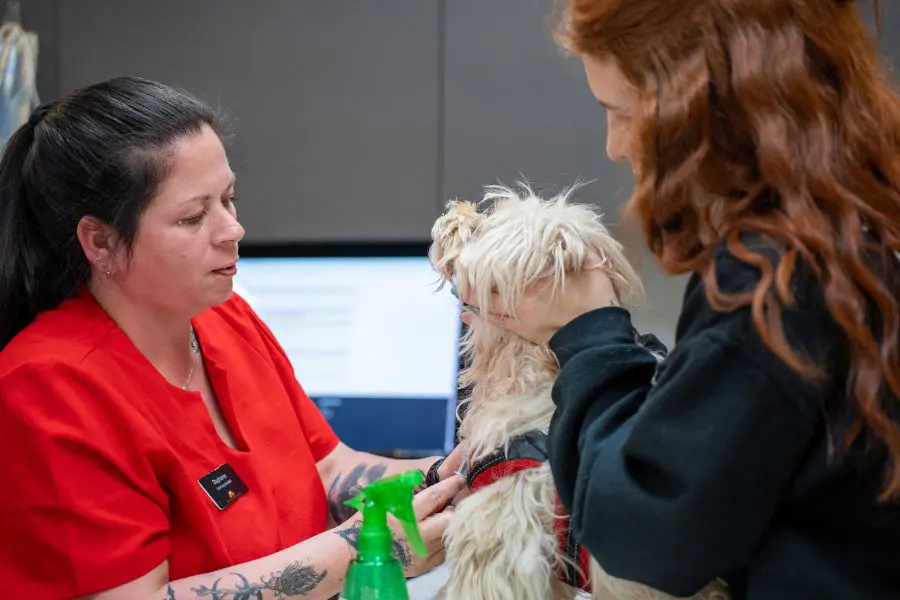
A thriving independent veterinary practice segment is one of the roots of a strong veterinary profession. Independent practices, like independent businesses in all markets, enhance competition, driving all veterinary practices to better serve clients and their animals, whether fish, fowl, ferret, or French bulldog.1
Although many independent veterinary practice owners considering retirement or departure from practice hope to sell to another independent owner rather than a corporate consolidator, this is not always possible. Nearly 60% of former independent owners surveyed who sold to corporate consolidators did so because none of their associates had the economic ability to purchase the practice.2 Rising student debt is one of the top concerns about veterinary education among VMG member practice owners, noted by more practice owners than the quality or consistency of clinical training.3 High debt loads make it difficult for young associates to access the financing they need to buy independent veterinary practices from owners looking to sell.
Funding options: Beyond traditional bank loans
It’s time for independent practice owners, and associates who want to become independent practice owners, to look for innovations in financing. There are options available that make selling to an associate and maintaining a practice’s independence feasible. In this post, we introduce several options that can be explored. These are ideas to consider, each with advantages and disadvantages for the parties involved, and may or may not be appropriate for your specific situation.
Buying and selling a practice is a major event in any veterinarian’s life. It requires commitment, motivation, and persistence, as well as money, leadership skills, and clinical knowledge. We strongly encourage you to seek assistance from a financial expert who is knowledgeable about buying and selling veterinary practices. VMG does not endorse or recommend any specific advisory group or lender.
Seller financing
In seller financing, the selling veterinarian agrees to allow the buyer to pay off part of the purchase price in the form of a private loan. Normally this covers only a portion of the total cost of the purchase; the buyer obtains part of the money they need from a traditional lender like a bank, then makes a private arrangement with the selling veterinarian for the balance. This puts practice ownership in reach for associates who may not be able to access all the funds they need at the time the practice becomes available. The agreement should be documented like any other private loan.
Earn-out agreements
In an earn-out agreement, the buyer pays a portion of the sales price now, then agrees to pay the balance over time contingent on the practice meeting certain performance goals, which are often related to growth.4 These may include revenue, profit, or other agreed financial targets.4 Associates who use this structure to purchase from their current employer thus work on ‘both sides’ of the deal: Their work in the practice directly helps it to reach performance goals that will require them to make the next payment. They also take on the responsibility (and risk) of making sure that the practice reaches those goals.5
Gradual or tiered buy-in
In this model, an associate takes over the ownership of a practice over time. They typically start by making a down payment on the total agreed practice value, much as one might put a down payment on a new home. Then, in accordance with a formal purchase agreement, the associate purchases more equity in the practice over time. For example, they might put down 20% of the value in year one, then pay an additional 10% each year over 8 years until their purchase is complete. Obtaining the money to make those additional yearly purchases is the buyer’s responsibility. With each year, as their ownership stake grows, so does their share of the practice profit and their responsibility for leading the practice.6 An owner can also take on an associate as a partner, whose ownership share in the practice increases over time as they pay off the full agreed value of the practice according to an agreed plan.7
Shared ownership or partnership models
This model is exactly what it sounds like: two or more associates join together to purchase a practice as partners. They generally form an LLC (Limited Liability Corporation) and the LLC agreement lays out their relative ownership levels, roles, responsibilities, and rights to profit. Together the group is responsible for covering both the purchasing costs and the ongoing costs of running the practice, and the responsibilities for leadership and decision-making.8 In any partnership purchase, the partners with whom one forms the LLC are as important as the financial terms.
Veterinary-focused lenders
While many of us think of our local bank, or one of the big regional or national banks, as the obvious source of loans, there are some lenders who specialize in financing the purchase of veterinary practices. Whether branches of larger banks or lenders set up specifically to finance veterinary practice purchases, they have a history of lending to aspiring independent practice owners and have more in-depth knowledge of the profession than the average bank loan officer. To find one, ask current practice owners for references – this is a great question for members of your VMG Peer Group. Conduct some serious due diligence before making your selection; interview several potential lenders to be sure they understand and can meet your needs.
Employee stock ownership, or profit-sharing
Employees may want or be able to afford a partial ownership stake long before they are ready or able to take over the complete ownership of a practice. Issuing stock or providing a profit-sharing program gives associates (or any qualified employee) a stake in the practice’s long-term success. Partial ownership can be a first step towards purchasing the entire practice. Profit-sharing programs allow staff members to directly share in the success they help to create, rewarding their hard work and contributions to the practice’s growth while helping them save towards purchasing the practice.
Securing the future of independent veterinary medicine
Succession planning is not a snap decision; it’s a long-term process for both sellers and buyers. For successful sales, practice owners need knowledgeable, business-savvy associates with access to the money needed to buy. It all starts with financial knowledge, and VMG can help. Our Financial Bootcamp is a 3-day program that covers the basics of practice finance, from understanding key performance indicators and financial statements to finding the right revenue and profit enhancement strategies for your practice.
Purchasing a practice doesn’t necessarily mean going hat in hand to the bank. There are other options out there, and we encourage you as a buyer or a seller to explore them.
References
- Social Market Foundation. Consumers and the economy are getting a bad deal because companies don’t face enough competition. (2017). Accessed 21 June 2025. https://www.smf.co.uk/consumers-economy-getting-bad-deal-companies-dont-face-enough-competition-event
- VMG Survey of former members. Data on File
- Salois, M., McKay, C., Neill, C. VMG Quarterly Economic Roundup 15: Oct 2025.
- Lester, R. How earnouts and contingent notes work in veterinary sales. Updated 3 June 2025. Accessed 5 January 2026. https://ackerman-group.com/owner-education/deal-structure-legal/earnouts-contingent-notes/
- Seymour, M. Earn-outs explained: 7 Deal structures every veterinary clinic owner must see before signing. Published 7 November 2025. Accessed 5 January 2026. https://transitionselite.com/corporate-veterinary-ownership-problems/
- Tanella PH. ‘Associate Buy-Ins: Buying your employer’s veterinary practice.’ Mandelbaum Barrett Law Group. Published 23 September 2023. Accessed 11 December 2025. https://mblawfirm.com/insights/associate-buy-ins-buying-your-employers-veterinary-practice
- Watson, D. ‘4 ways to sell your practice’ Simmons Veterinary Practice Sales and Appraisals website. Updated 23 Sept 2025. Accessed 11 December 2025. https://simmonsinc.com/4-ways-to-sell-your-veterinary-practice/
- Legacy Veterinary Group of the Carolinas. ‘Running a Successful Veterinary Practice Co-Ownership: 3 Important Things to Consider.’ Accessed 11 December 2025. https://legacyvetcarolinas.com/pathway-partner/running-a-successful-veterinary-practice-co-ownership-3-important-things-to-consider