
As the owner of Georgia Equine Veterinary Services in Canton, GA, Dr. Laura Molony is exactly where she feels she’s meant to be in the veterinary profession. But getting there took a long, circuitous route.
She developed a love for horses as a teenager and initially planned to attend Auburn University and pursue veterinary medicine. But after her mother questioned whether she was confusing her passion for horses with a career choice, Dr. Molony changed course and attended Georgia Tech, where she earned her degree.
After college, she spent five years riding and training horses professionally before deciding she wanted to pursue a different path. She returned to Auburn, was accepted into veterinary school and followed through on her original goal of becoming an equine veterinarian. Since entering the veterinary industry in 1995 and founding Georgia Equine Veterinary Services in 2011, Dr. Molony has built a career around the horses she loved from the start.
“It was a little bit of a long road, but it was worth it,” she said.
Setting Your Own Priorities
For Dr. Molony, one of the most rewarding aspects of owning her own practice is having the freedom to determine what matters most. “It’s being able to decide how we do things, decide what the priorities are for me, and establish those as priorities for my practice,” she says.
That freedom comes with plenty of responsibility, but it also allows Dr. Molony to shape Georgia Equine Veterinary Services around a clear mission. “Our mission statement really and truly is about building relationships with clients, educating clients and making decisions based on evidence-based medicine,” she says.
When Dr. Molony first heard about Veterinary Management Groups (VMG), she wasn’t sure what to make of it. Friends in small-animal medicine spoke enthusiastically about the organization, but details were vague. “There was a secrecy cloud about VMG,” she recalls. She assumed membership was expensive and out of reach.
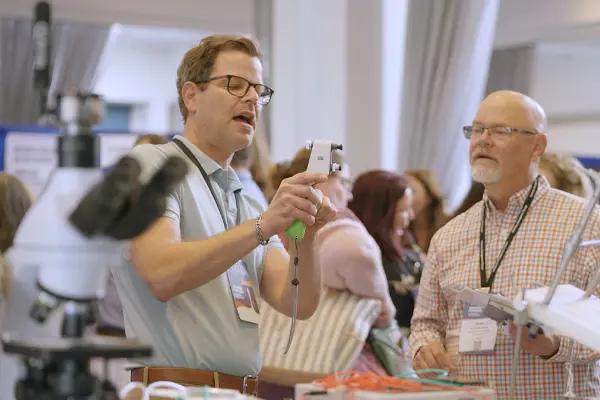
That changed when she encountered a VMG booth at the American Association of Equine Practitioners (AAEP) convention. She joined a waiting list and eventually received an invitation to attend a meeting. “I went, and I was so thrilled that I did,” she says.
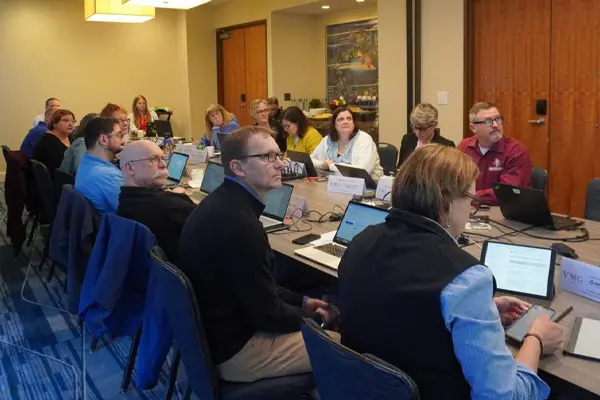
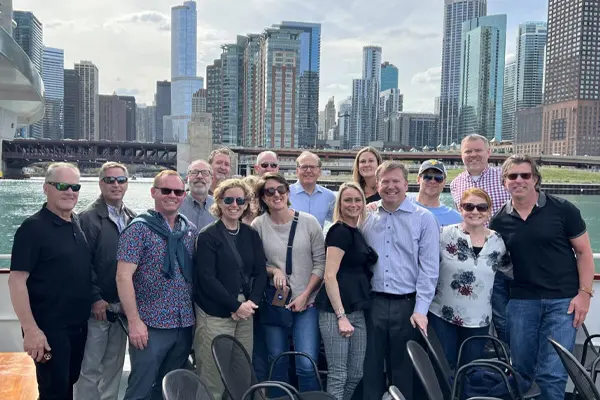
Dr. Molony believes VMG’s greatest benefit is connecting with veterinarians who aren’t direct competitors. Her group provides a trusted network where members can discuss practice challenges, share ideas and ask questions. “I wouldn’t trade the network of people I have, even for the deals that we get,” she says.
VMG has also changed how Dr. Molony views practice ownership. She has become more attuned to the business side and more confident in running an efficient practice. “I was astounded at how much better I could do and how much I actually didn’t know,” she says. Just as important, she has gained perspective on the challenges of ownership. “Sometimes you feel like your own little island over here,” she says. “But it’s been nice knowing that there’s a group of people who have the same concerns and the same stresses.”
Support Through the Rough Spots
Dr. Molony said some of VMG’s greatest value has emerged during the more difficult moments of practice ownership. Her study group has helped her navigate the loss of associates, evaluate financial challenges and, perhaps most importantly, maintain perspective when things don’t go as planned.
There have been times when she has looked at her practice’s financial data and focused on what wasn’t working. Her VMG colleagues have helped her step back and see the bigger picture. “They’ve been able to refocus me and say, ‘Well, yeah, we can improve here. But these are some other things that look good if you look at the bigger picture,’” she says.
That perspective has been invaluable. While the successes of practice ownership are rewarding, Dr. Molony says having people to lean on during the difficult times may be even more important. “When you’re in rough times, it’s nice to have other people you can rely on who can give you support and understand where you are.”
A Growing Equine Focus
Dr. Molony is encouraged by VMG’s growing focus on equine practices and hopes to see that continue, particularly in its supplier relationships and educational offerings. “I think what they’re doing with small animal is unbelievable,” she says, noting that VMG is increasingly finding suppliers and speakers with equine-specific expertise.
The combination of financial savings, business resources and professional connections makes VMG easy to recommend. “There are so many people I want to tell about it,” she says. “It’s also the connections with people, the connections with groups and the resources.”
Mentoring the Next Generation
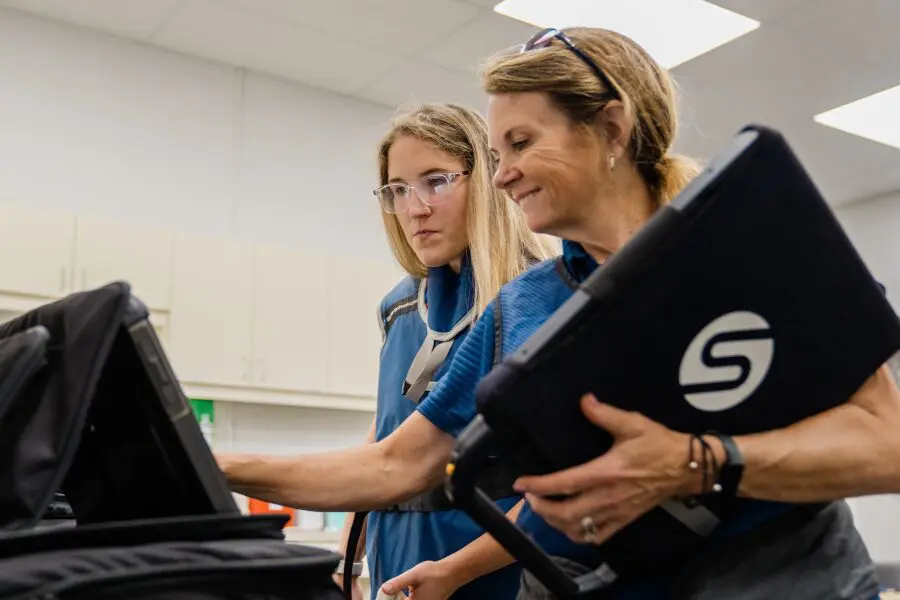
For Dr. Molony, giving back to the profession means helping the next generation discover a future in equine medicine. Since 2015, Georgia Equine Veterinary Services has participated in a clerkship program with Auburn University, Dr. Molony’s alma mater, providing fourth-year veterinary students with two weeks of hands-on experience. The practice hosts one student at a time, allowing for dedicated instruction and mentoring.
The program typically brings 10 to 12 students through the practice each year, and Dr. Molony says one of the greatest rewards is seeing where those students go afterward. She continues to hear from former students who remain in equine medicine, including one who recently contacted her after handling his first colic case independently.
Another former student arrived unsure whether equine medicine was a realistic career path. As Dr. Molony recalls, the student told her, “I love horses. I’ve done horses. I just didn’t think I could do horses [as a veterinarian].” After her clerkship, she returned to a mixed-animal practice and now leads its equine service.
“That’s just rewarding to me,” Dr. Molony says. “I want to see students graduating with an interest in equine medicine.” After more than three decades in the profession, she hopes to see those students still practicing years from now. “The industry is great. It’s been good to me, and I just want to see people still in it.”
